These guides help brand founders, product teams and sourcing managers prepare tech packs, select fabrics, plan quantities and timing, and understand the approvals needed for apparel and leather production.
Three factories say they can make your collection. Their prices differ. Their samples look convincing. Here is how to choose a clothing manufacturer using evidence before sampling, bulk production and repeat orders.
The sample quote arrives, and one hoodie costs far more than the proposed bulk unit price. Before judging the fee, find out whether you are paying for a garment, its development, or both.
A cheaper unit price is not much help if the clothes stay in boxes. Start with a focused product, test the offer and let real orders guide what you make next.
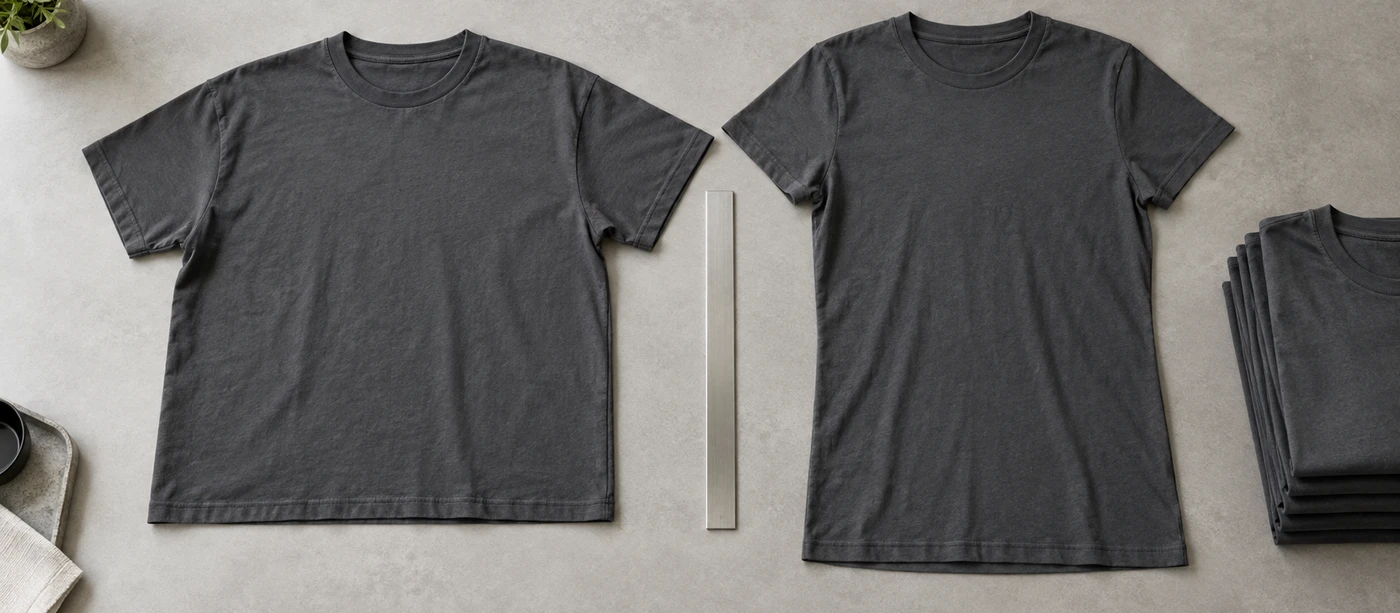
The sample was boxy. The delivery is slim. Before accepting an explanation or placing another order, find out exactly what changed and how far the problem goes.
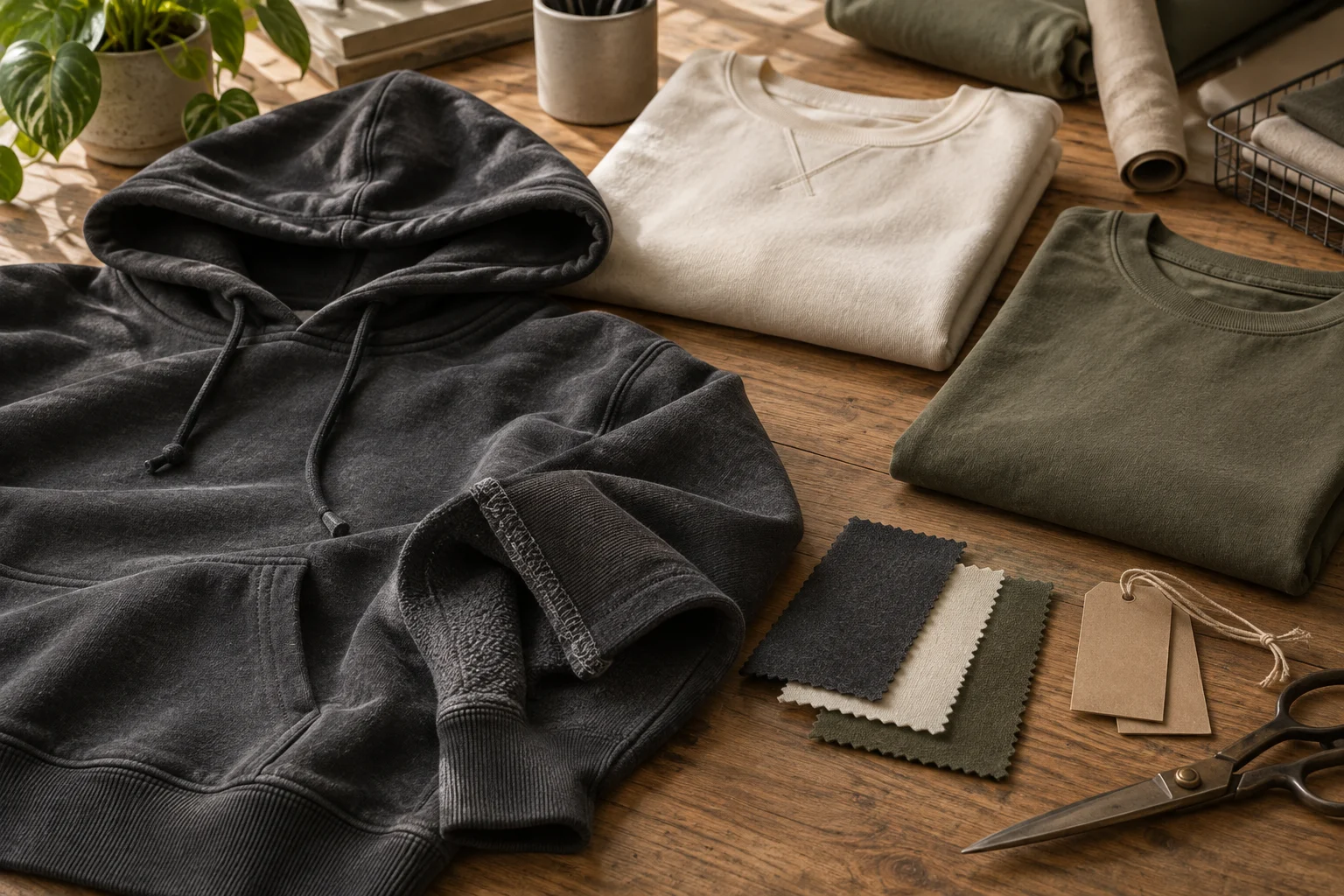
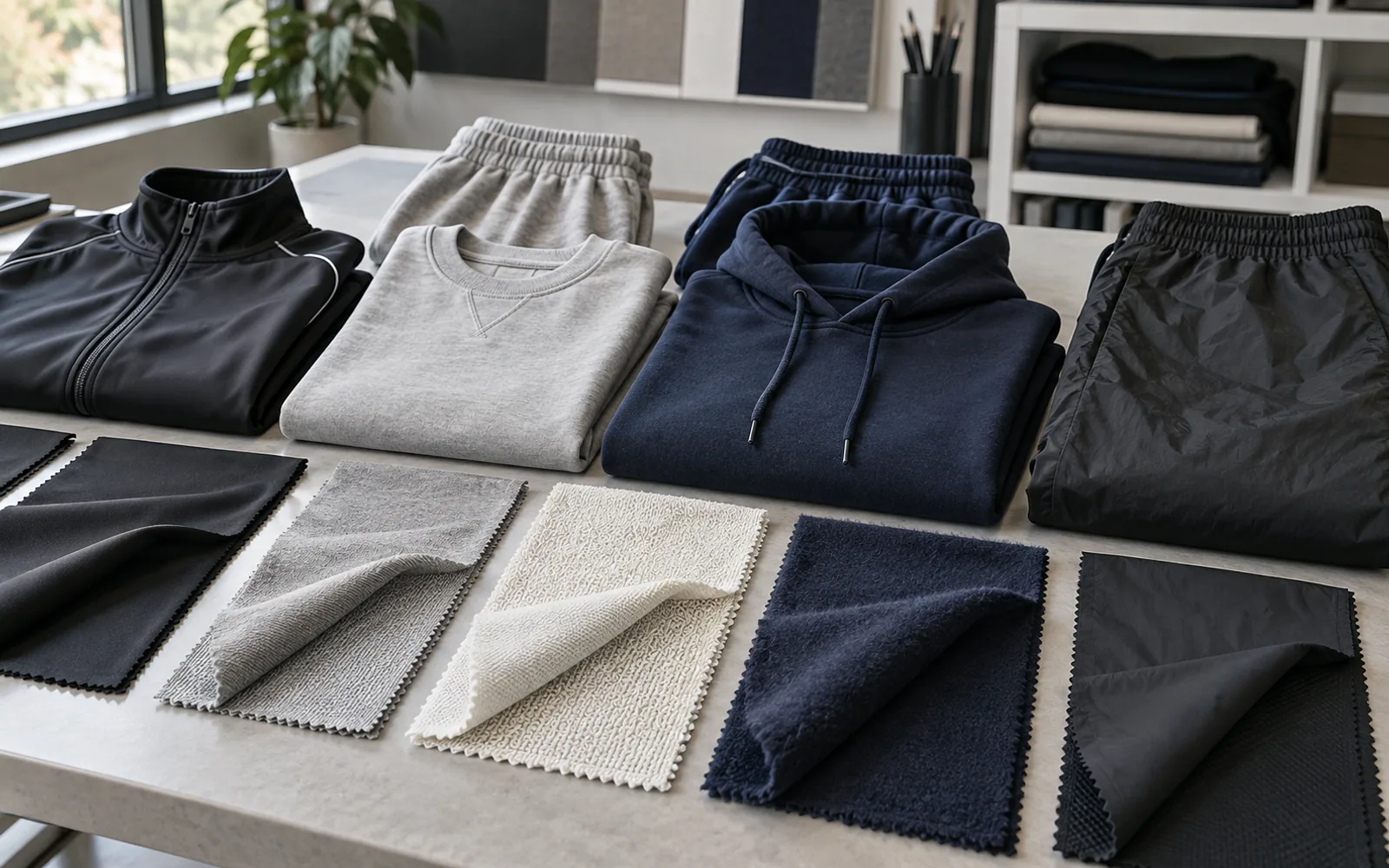
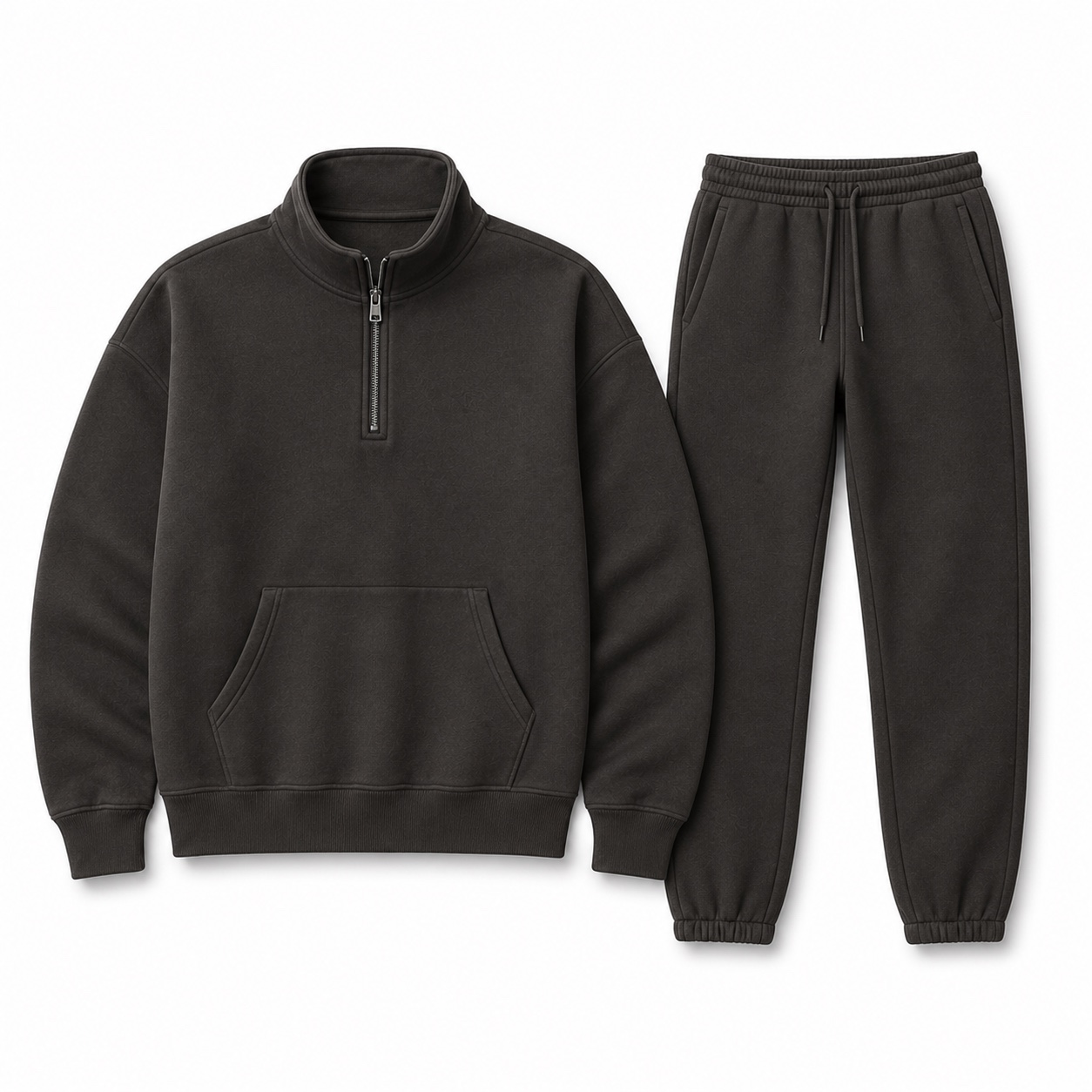
The best tracksuit fabric depends on whether the set is made for training, travel, warm weather, cold weather or casual wear. Compare the complete material, not its name or weight alone.
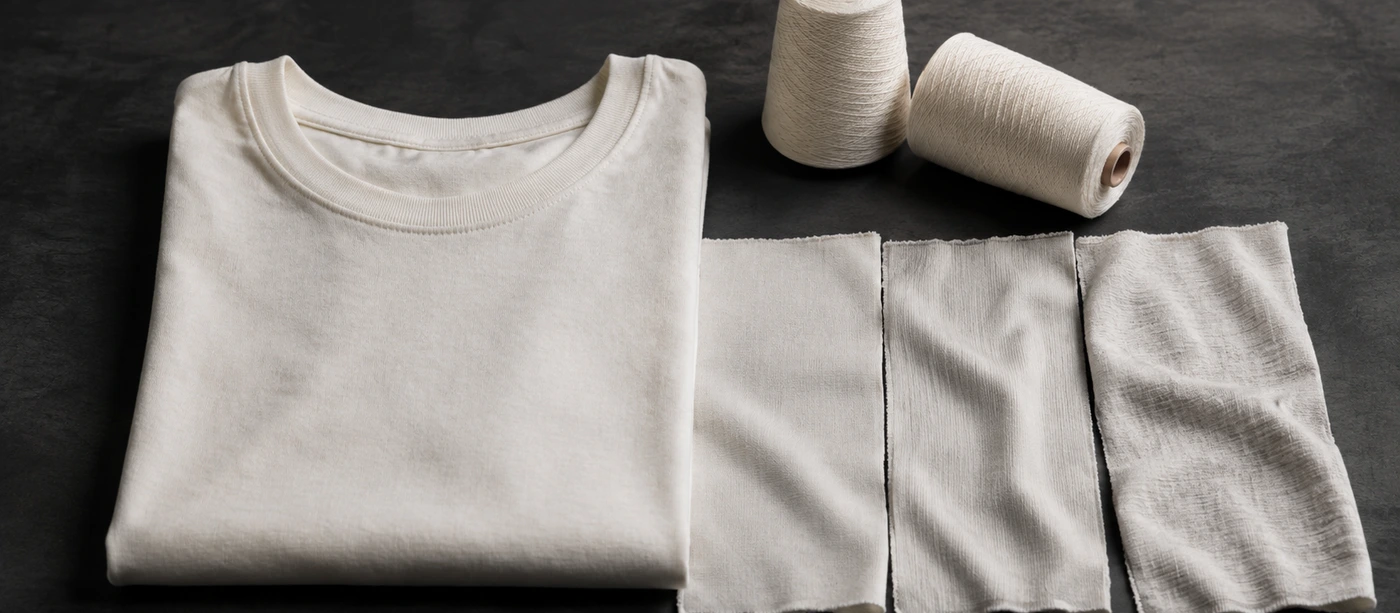
Fabric weight is only one part of a T-shirt specification. Yarn, knit structure and finishing can make two fabrics with the same GSM feel and perform very differently.
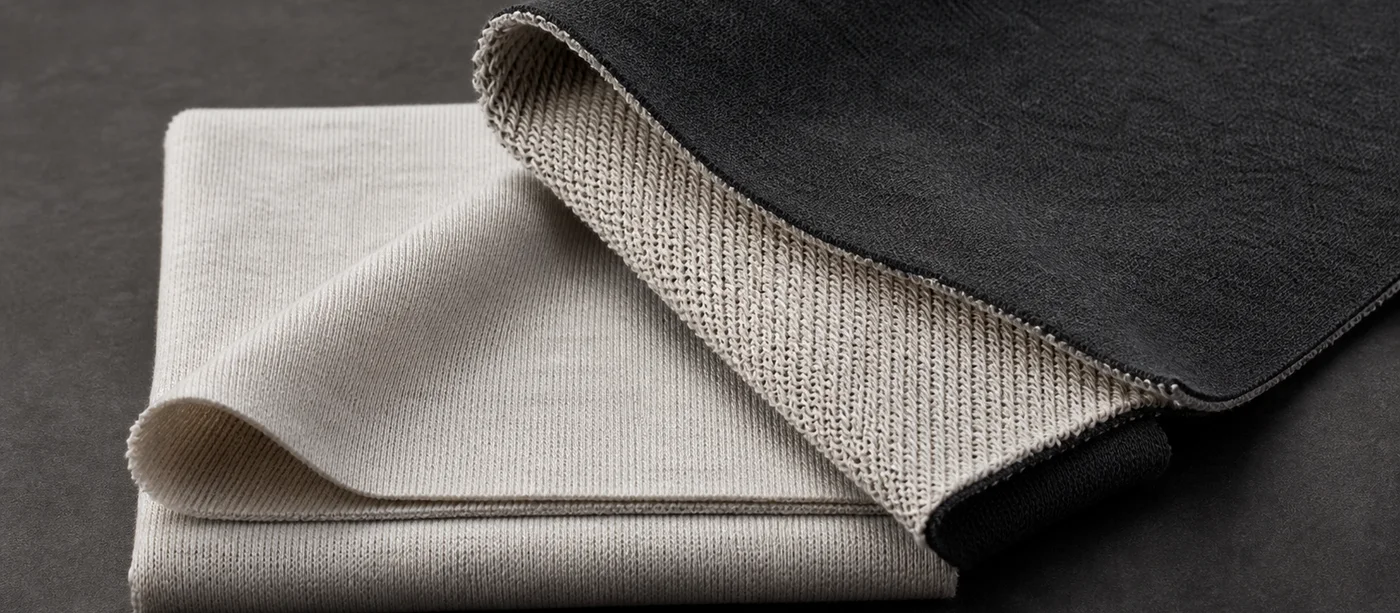
French terry is a knit fabric with a smooth outer face and visible, unbrushed loops on the inside. Here is how to identify it and decide whether it suits your garment.
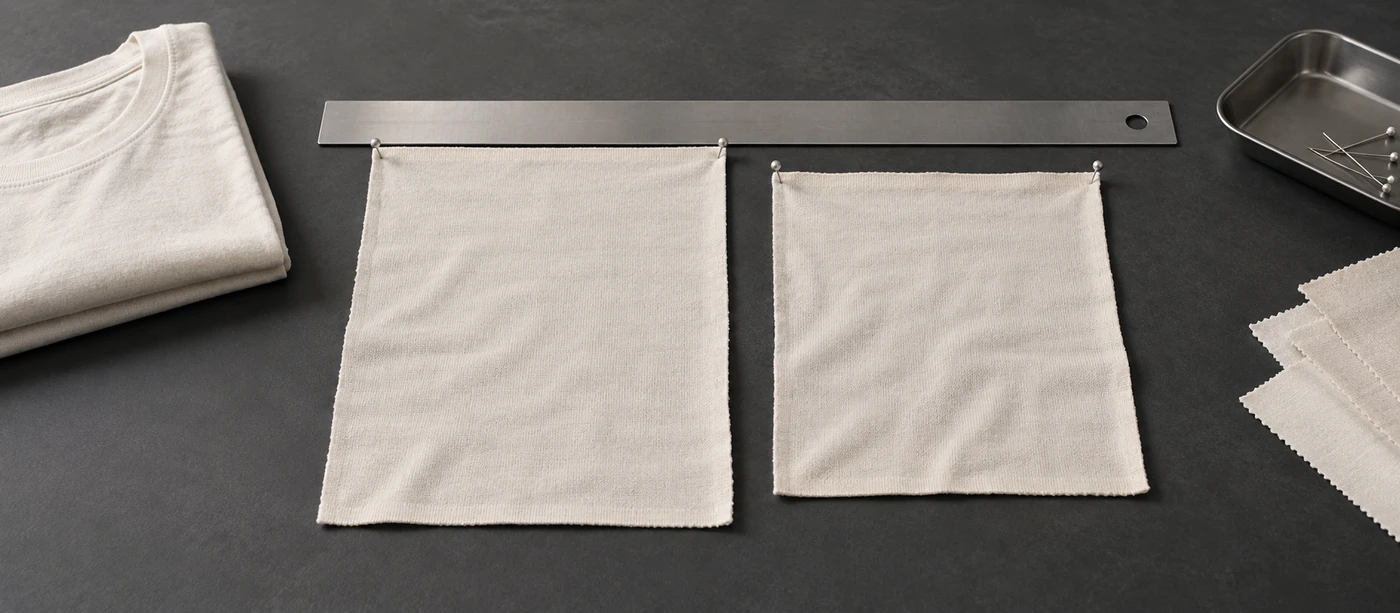
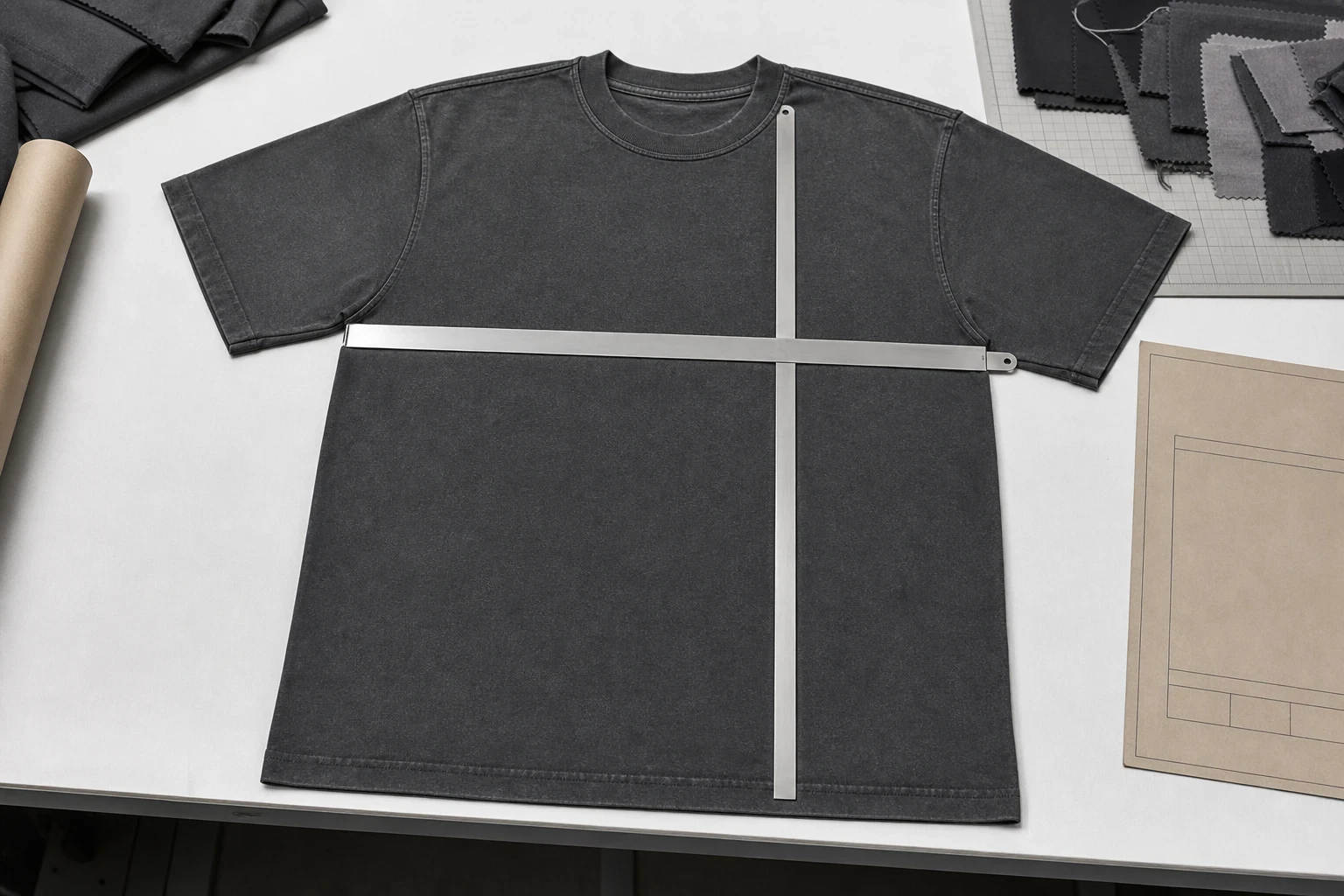
A target measurement shows the intended garment dimension. A tolerance shows the permitted variation around that target. Both must be defined at every relevant point of measure before sample approval and bulk production.
Proto samples test the design and construction. Fit samples correct the pattern and measurements. Size sets check grading. Pre-production samples combine approved details into one reference before bulk production.
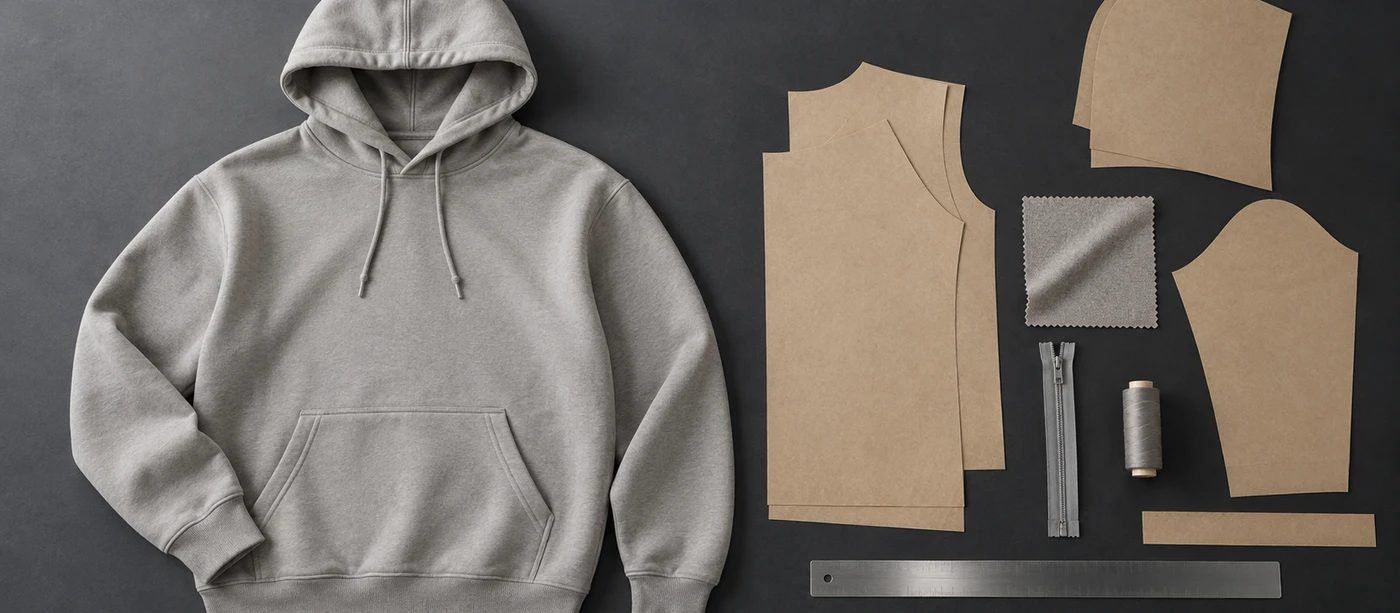
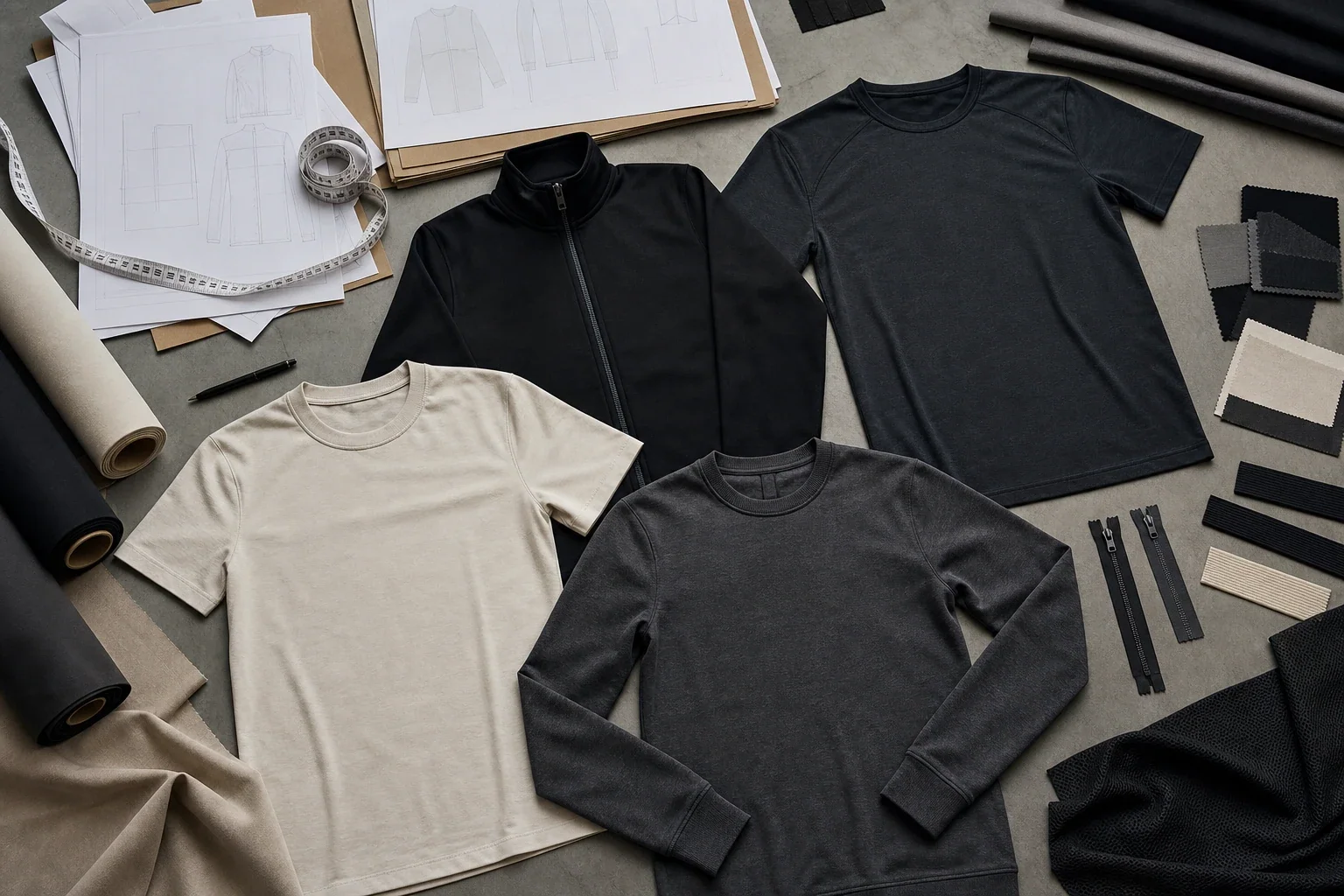
Apparel manufacturing moves from a clear product specification through materials, patterns, sampling, approvals, bulk production, quality control, and packing.