Product Development
How Apparel Manufacturing Works: From Tech Pack to Bulk Production
Apparel manufacturing moves from a clear product specification through materials, patterns, sampling, approvals, bulk production, quality control, and packing.
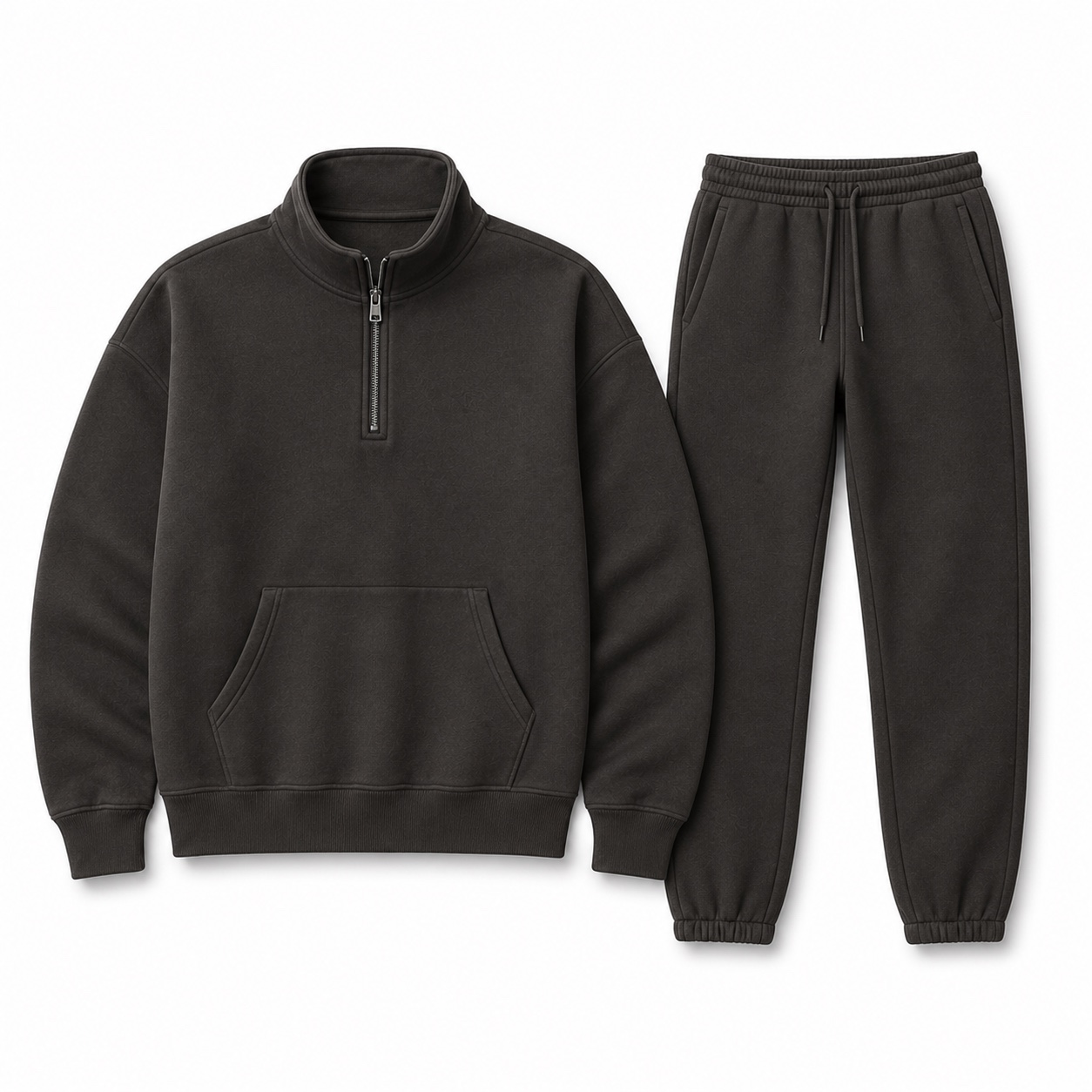
What does a manufacturer need before development starts?
Apparel development normally starts with product information, not with cutting bulk fabric. A manufacturer needs enough detail to understand the garment, identify open decisions, check whether it can be made and prepare a useful development and sampling plan.
The starting information can be supplied in a tech pack or a clear product brief. It should describe the product, intended use, target size range, estimated quantity, colors, fabric requirements, construction, artwork, labels and packing. Reference garments or images can show the intended shape, but measurable instructions are still needed before they can become a production specification.
- Front, back, and detail drawings that show the intended construction.
- Measurements, points of measure, size range, and tolerance requirements.
- Shell fabric, lining, rib, thread, zippers, drawcords, hardware, labels, and packing components.
- Color references and artwork files with size, position, and application method.
- Estimated quantity by style and color, plus the requested delivery window.
How do we review the tech pack?
We review the tech pack before sampling so the measurements, materials, construction, trims, branding, labels, and packing instructions are clear. The review separates fixed requirements from details that still need development or manufacturer input.
A useful tech-pack review checks whether the drawings agree with the measurement specification and bill of materials, or BOM. It also checks whether the artwork placement, stitches, seams, pockets, closures, reinforcements, labels and finishing instructions are clear enough for the sample team.
Record any open decisions instead of relying on assumptions. A brand might approve the shape and fabric composition while asking the manufacturer to suggest the zipper gauge, rib construction, pocket construction or seam finish during development. This keeps a suggestion from being treated as a final approval.
How are fabrics and trims selected?
Fabric and trim selection starts with the product requirements. Composition, fabric weight in grams per square metre (GSM) or leather thickness matter, but the fit, structure, stretch, shape recovery, opacity, how the material feels, shrinkage, finish and care method also affect whether a material is suitable.
A tracksuit may use brushed fleece or loopback terry with the required rib, zippers, drawcords and pocket components. Sportswear may need performance interlock or a technical woven fabric with controlled stretch and recovery. T-shirts may use heavyweight cotton jersey or performance interlock. Leather for a jacket must work with the lining, hardware, panels and edge finishing.
Review trims as part of the complete garment. Zippers, pullers, rib, elastic, drawcords, drawcord tips, snaps, labels and packaging must suit the construction and approved appearance. Color references, including Pantone references where used, must also be checked with the fabric, artwork and components before approval.
What happens during pattern development?
Pattern development translates the approved silhouette and measurements into the shapes needed to construct the garment. The pattern must account for fit, seam placement, panels, pockets, closures, hems, rib, lining, and the behavior of the selected material.
The required pattern decisions change by product. Compression wear needs enough mobility and recovery without unsuitable seam placement. A tracksuit top and trouser need to work as a coordinated set. A leather jacket pattern must account for panels, hardware, lining, and edge treatment, while a T-shirt pattern must control body width, length, shoulder shape, sleeves, neckline, and hem.
If an order includes several sizes, document the size range, measurement rules, grading rules and tolerances. Agree the exact grading and size-set requirements for the order instead of assuming that a standard size block will apply.
How does apparel sampling work?
Apparel sampling creates a physical product to check before bulk production. We use the required samples to check fit, measurements, fabric, construction, components, branding, color and finishing against the brief.
Sample names vary between orders. A development or proto sample may test the first construction, a fit sample may focus on shape and measurements, a size set may check the agreed size range, and a pre-production sample may show the approved production details. Confirm the required stages for your order; we do not assume that every order needs every sample type.
Sampling may identify measurements, material behavior, component compatibility, artwork, or construction details that need revision. Comments should be specific and measurable. When a revised sample is required, the new reference should show which points changed and which earlier decisions remain approved.
Buyer decisions through the manufacturing process
| Stage | Manufacturing focus | Buyer decision |
|---|---|---|
| Brief review | Identify missing product and order information | Confirm fixed requirements and open decisions |
| Development | Develop pattern, materials, construction and components | Review proposed details and requested changes |
| Sampling | Make the agreed sample and record revisions | Approve or reject fit, materials, construction and appearance |
| Pre-production | Consolidate the approved production standard | Confirm the governing sample and documents |
| Bulk and quality review | Produce and check against approvals | Resolve documented exceptions and order-specific decisions |
Apparel manufacturing flow
- 01Product brief
- 02Tech pack review
- 03Pattern and materials
- 04Sample
- 05Comments and revisions
- 06Approval
- 07Bulk production
- 08Quality control
- 09Packing
What should we check before approving a sample?
Before approving a sample, we compare the garment with the agreed specification and the intended use. The review should cover the details that could affect fit, function, appearance, repeatability, and the production standard.
- Measurements, proportions, garment length and agreed tolerances.
- Fit, mobility, stretch, recovery, opacity, or drape where relevant to the product.
- Fabric or leather appearance, feel, target weight, color and finish.
- Seams, panels, rib, pockets, waistbands, hems, lining, closures, and reinforcement details.
- Zippers, hardware, drawcords, elastic, labels, and other components.
- Artwork size and placement, embroidery, print, heat transfer, or other approved branding details.
- General workmanship, finishing, and any product-specific packing reference shown by the sample.
What changes before bulk production starts?
Before bulk production, the development details must become a clear production standard. We confirm the specification, fabric, fit, construction, colors, trims, artwork, labels, packing instructions and approved samples before scheduling production.
Revisions made during sampling should be reflected in the current documents. Measurements should match the approved fit, the BOM should list the accepted materials and components, and artwork or color references should identify the approved version. Production should not rely on comments scattered across messages when a consolidated specification can remove ambiguity.
We also confirm the commercial details for the order. Minimum order quantity (MOQ), price and timing depend on the style, colors, quantity, fabric, customization, quality requirements, material availability and completed approvals. One fixed figure does not apply to every garment.
How does bulk garment production work?
Bulk production uses the approved specification and samples as the manufacturing standard. We prepare the fabric and components for the order, make and assemble the garment parts to the agreed construction, and apply the approved branding, labels and finishing.
The exact sequence depends on the garment. A T-shirt, compression top, tracksuit, technical trouser and leather jacket do not use the same fabric handling or construction order. Every production decision should match an approval: the current pattern and measurements, approved fabric and color, confirmed trims, artwork, labels and packing instructions.
This article does not describe a fixed machine list because the equipment and production plan must match the actual product and order. A buyer should evaluate the manufacturing plan against the approved garment rather than assume that one workflow applies to every category.
How is quality checked during production?
Quality control checks the garment against the approved specification and reference sample. The checkpoints depend on the product and can cover measurements, seam and panel construction, stretch or recovery appearance, pockets, hardware operation, branding placement, color appearance, labels, finishing, and packing.
A sportswear review may focus on mobility, seam placement, opacity, waistband construction, and pocket function. Tracksuit checks can compare the top and trouser, rib recovery, pockets, color appearance, and branding. Leather-jacket checks can cover panel matching, edge finishing, hardware, lining, and pockets, while T-shirt checks can cover neck shape, rib recovery, hems, artwork, and wash appearance.
Agree the timing and number of quality checks for the order. We do not publish one inspection percentage or fixed inspection sequence for every product. The approved product and its main risks determine what we check and when.
What happens before garments are packed?
Before garments are packed, the required finishing, labels, measurements, branding, and overall appearance should be checked against the approved references. Any product-specific component or presentation requirement must also be complete before the packing instruction is applied.
Packing preparation can include the agreed folding method, protective packaging, label placement, carton requirements, and other instructions recorded in the production brief. These details should be approved early enough to avoid treating retail presentation, barcodes, or packing components as last-minute decisions.
Packing requirements are part of the product specification, but they do not replace separate freight, customs, or delivery arrangements. Those responsibilities and commercial terms must be confirmed for the individual order.
What information should a brand prepare before contacting a manufacturer?
A brand should prepare enough technical and commercial information for the manufacturer to understand the product, development work, and order structure. An incomplete brief can still start a discussion, but known requirements and open decisions should be clearly separated.
- Product type, intended use, reference images, and available tech pack.
- Measurements, size range, target fit and any approved reference garment.
- Fabric composition, target GSM or thickness, colors and performance requirements.
- Construction, trims, artwork, labels, finishing, and packing requirements.
- Estimated units per style and color, target timing, and required sample or approval steps.
- A list of fixed decisions and the areas where manufacturer input is requested.
Apparel manufacturing FAQ
Can development start without a complete tech pack? A clear product brief can start the review, but measurements, materials, construction, trims, artwork, labels, and packing requirements still need to be resolved before they can become a production specification.
Does every garment use the same sample stages? No. Sample names and approval stages vary by product and order. Confirm the required samples after reviewing the brief and development needs.
When can bulk production begin? Bulk production is scheduled after the required specification, material, fit, color, construction, trim, artwork, label, packing, and sample approvals are complete.
How are MOQ and production timing confirmed? MOQ and timing are reviewed for the approved style, quantities, colors, materials, components, customization and required approvals. They are not fixed across every product.
What does quality control cover? Product-specific checkpoints can cover measurements, construction, components, branding, finishing, labels, and packing against the approved specification and reference sample.
What is the practical next step?
Prepare the current tech pack or product brief, mark what is already approved and list what still needs development. This gives the manufacturer the information needed to check the product, samples, fabric, approvals, MOQ, price and timing.
Related resources
Continue planning
- Review the manufacturing process See S & H Global's documented workflow from brief review through sampling, approvals, quality control, and packing.
- Compare fabrics and leather Review the fleece, jersey, performance knit, technical woven and leather options we currently use.
- View product examples See current tracksuit, sportswear, leather-jacket, trouser, and T-shirt examples.
- Request a manufacturing quote Share your product brief, quantity, fabric requirements, customization and target timing.
- Use the factory-ready tech-pack checklist Review the drawings, measurements, BOM, artwork, labels, and packing information a useful tech pack should contain.
- Understand fabric GSM Learn why fabric weight must be considered with composition, structure, finish, and intended use.
- Plan MOQ and timing discussions See how the style, colors, fabric, components, approvals and quantity affect MOQ, price and timing.
Read next